Optimal Timing for Polyurethane Concrete Lifting
Polyurethane concrete lifting is a versatile solution suitable for various conditions, but timing can influence the effectiveness and longevity of the repair. Understanding optimal periods for performing polyurethane lifts ensures better results and longer-lasting repairs.
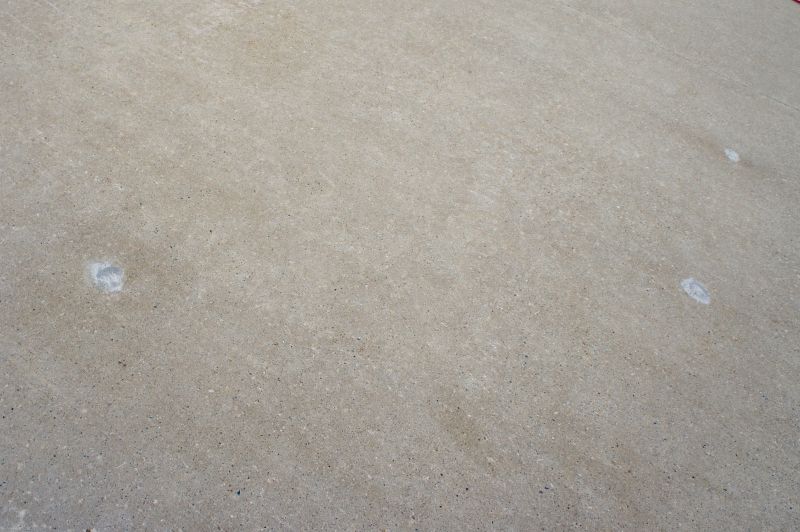
Spring offers moderate temperatures ideal for polyurethane lifting, allowing for proper curing and adhesion.
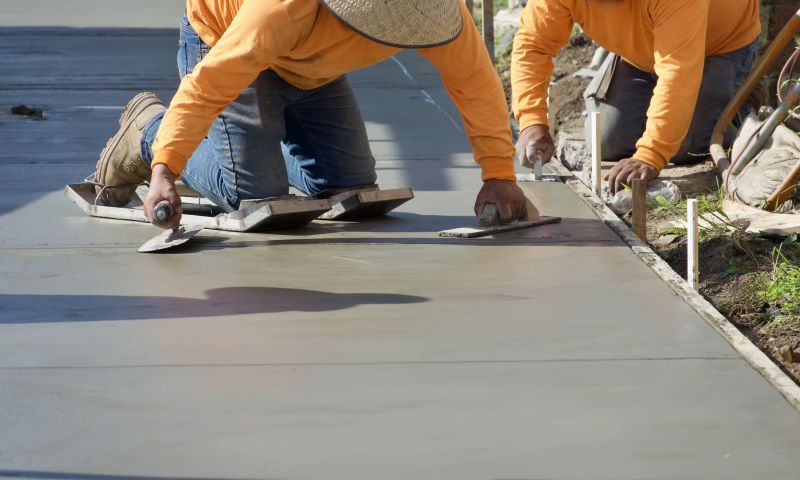
Early summer provides warm weather that facilitates quick curing, but avoid extremely hot days to prevent rapid drying.

Fall's cooler temperatures can be suitable if the weather remains dry, ensuring proper curing before winter.
Ways to make Polyurethane Concrete Liftings work in tight or awkward layouts.
Popular materials for Polyurethane Concrete Liftings and why they hold up over time.
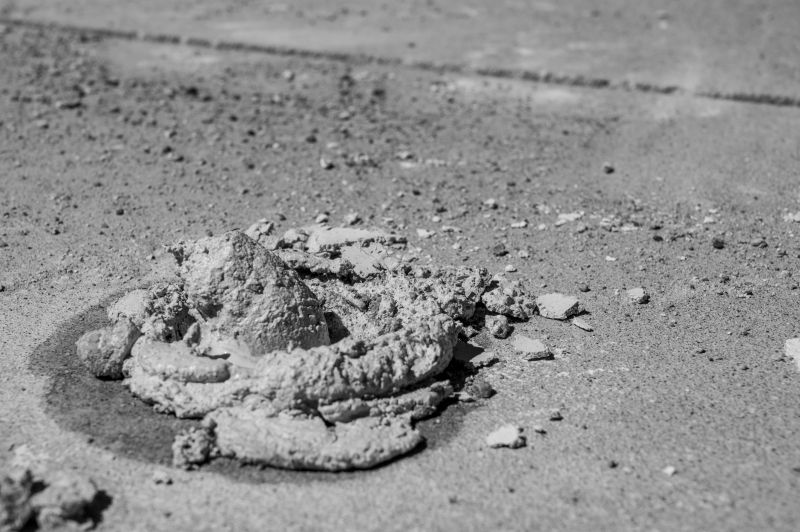
Simple add-ons that improve Polyurethane Concrete Liftings without blowing the budget.
High-end options that actually feel worth it for Polyurethane Concrete Liftings.

Finishes and colors that play nicely with Polyurethane Concrete Liftings.
Polyurethane lifts perform best when ambient temperatures are between 50°F and 85°F, ensuring proper curing and adhesion.
Dry weather with low humidity levels supports effective lifting and curing processes.
Cold temperatures below freezing can hinder curing, while extreme heat can cause rapid drying and potential cracking.
Spring and fall are generally ideal, with moderate temperatures and stable weather conditions.
Polyurethane concrete lifting involves injecting a high-density foam beneath sunken or uneven concrete slabs to restore their original position. This method is minimally invasive, quick to perform, and effective for correcting uneven surfaces caused by soil settlement, erosion, or other ground movement. The foam expands rapidly, filling voids and providing immediate stabilization, which reduces downtime and disruption.
Statistics indicate that polyurethane lifting can extend the lifespan of concrete surfaces by several years when performed under optimal conditions. Its quick curing time allows for rapid return to normal use, making it a preferred choice for commercial, industrial, and residential applications. Proper timing aligned with favorable weather conditions enhances the durability and effectiveness of the repair.
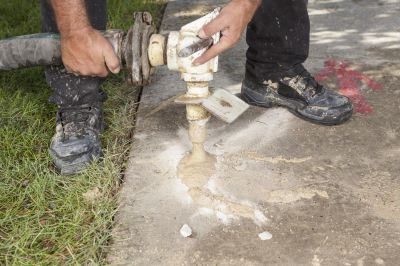
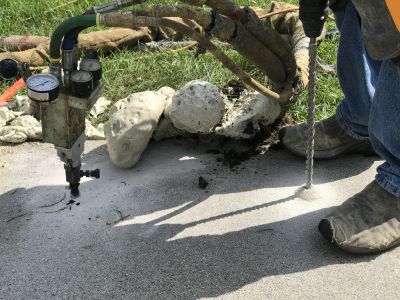
High-density foam is injected beneath the slab to lift and stabilize the concrete.
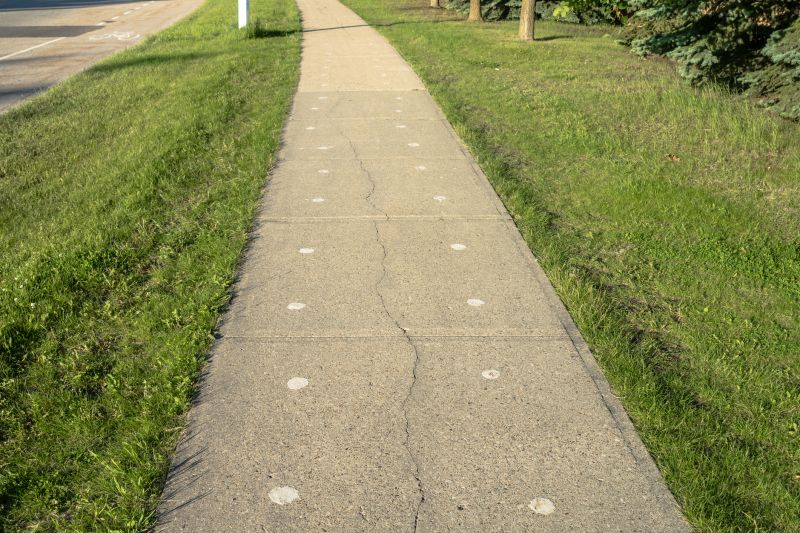
Visual improvements demonstrate the effectiveness of polyurethane lifts.
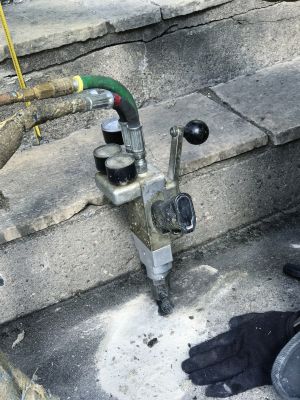
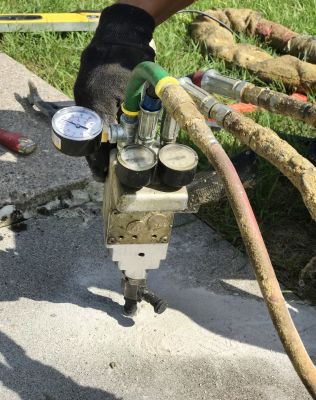
Specialized injection tools ensure precise foam placement and lifting.
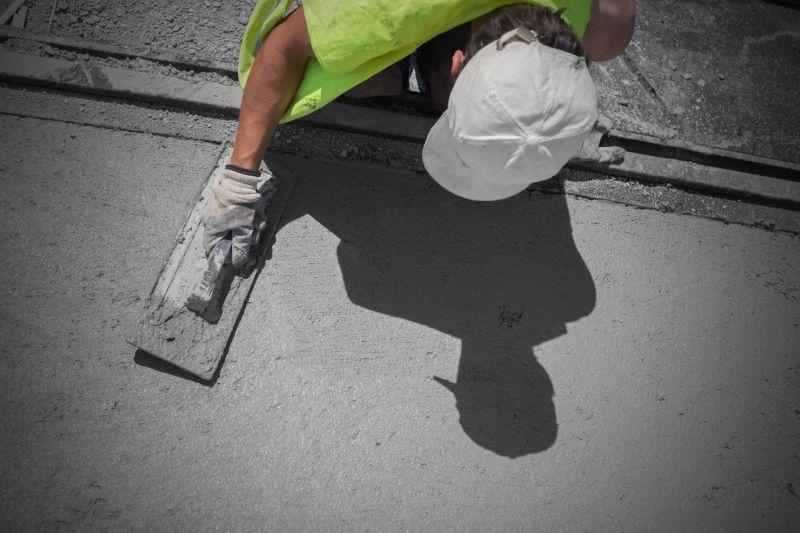
Final stabilized surface ready for use with minimal disruption.
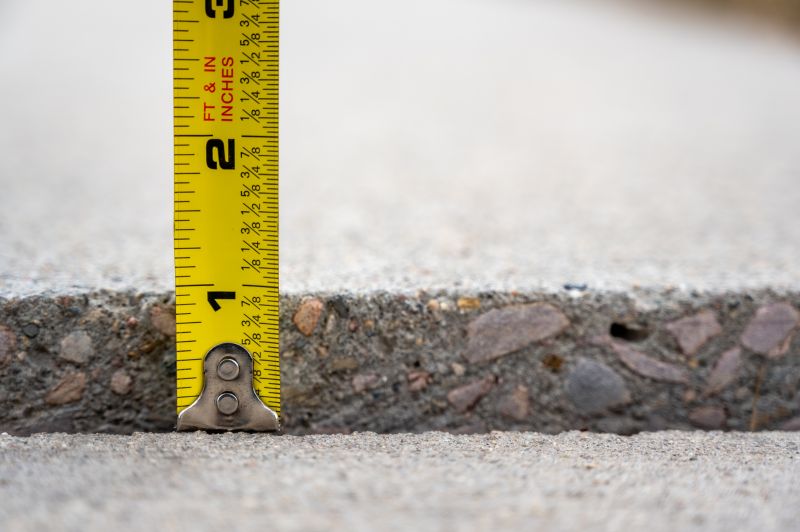
Little measurements that prevent headaches on Polyurethane Concrete Liftings day.
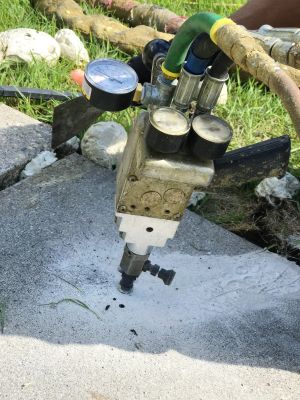
A 60-second routine that keeps Polyurethane Concrete Liftings looking new.
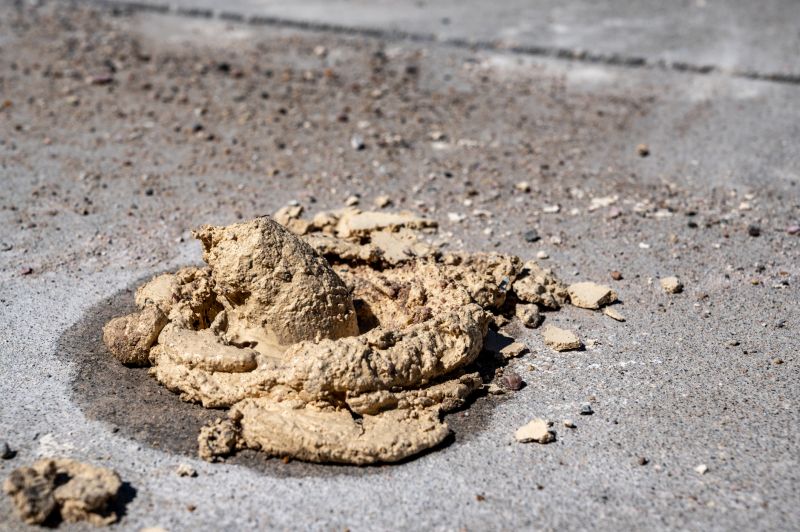
A frequent mistake in Polyurethane Concrete Liftings and how to dodge it.
Small tweaks to make Polyurethane Concrete Liftings safer and easier to use.
| Season | Ideal Conditions |
|---|---|
| Spring | Moderate temperatures, dry weather |
| Summer | Warm temperatures, avoid extreme heat |
| Fall | Cooler temperatures, dry conditions |
| Winter | Not recommended unless heated environment |
| Late Spring | Optimal for quick curing |
| Early Fall | Suitable if weather is dry |
Interested in polyurethane concrete lifting services? Filling out the contact form provides a way to explore options and schedule assessments. Proper timing and conditions contribute significantly to the success of the project, ensuring long-term stability and performance of the repaired concrete surfaces.